





What Is Ground Beef?
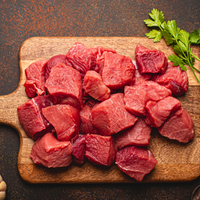
Ground beef is one of the most widely used and versatile beef products in American kitchens. It is made by grinding whole cuts of beef into smaller, uniform pieces, creating a product that cooks quickly, adapts to many recipes, and delivers consistent flavor and texture.
While ground beef may seem simple, how it is made—and where it comes from—matters. Factors like the cuts used, fat content, sourcing, and processing standards all influence the final product.
How Ground Beef Is Made
Ground beef starts with whole muscle cuts of beef. These cuts are trimmed, blended as needed, and passed through a grinder to create a consistent texture. Unlike processed meat products, ground beef contains no fillers, binders, or additives when properly labeled as “ground beef.”
At its most basic level, ground beef is simply beef that has been finely chopped or ground. However, the quality of ground beef depends heavily on how it is produced.
Step 1: Selecting the Beef
Ground beef can be made from a variety of cuts, including chuck, round, sirloin, or trim from larger cuts. Many producers blend different cuts together to achieve a specific balance of lean meat and fat.
At Parker County Beef Company, ground beef is produced from Texas-raised cattle and ground in-house under USDA inspection. This allows for full control over sourcing, handling, and consistency.
Step 2: Grinding and Blending
Once selected, the beef is ground using commercial grinders. The grind size affects texture, while blending determines the final lean-to-fat ratio. Common blends include 80/20 or 90/10, referring to the percentage of lean meat to fat.
Fat plays an important role in flavor, moisture, and cooking performance. Leaner blends cook differently than higher-fat blends and are often chosen based on the intended use.
Step 3: Packaging Under USDA Inspection
After grinding, the beef is portioned and packaged in a USDA-inspected facility. Proper labeling ensures transparency around fat content, weight, and handling instructions.
USDA inspection helps ensure ground beef is produced under food safety standards designed to protect consumers.
What Determines Ground Beef Quality?
Not all ground beef is the same. Several factors influence quality, flavor, and consistency:
- Sourcing: Where and how the cattle are raised
- Finishing method: Grain-finished or grass-finished, depending on the product
- Cut selection: The types of beef used in the grind
- Fat ratio: Lean-to-fat balance
- Processing control: In-house versus outsourced grinding
Ranch-direct ground beef offers greater transparency because the producer controls the process from cattle to final product.
Common Ground Beef Fat Ratios Explained
Ground beef is typically labeled by its lean-to-fat ratio:
- 80/20: Juicier, flavorful, commonly used for burgers
- 85/15: A balance between flavor and leanness
- 90/10: Leaner, often used for recipes where excess fat is drained
Choosing the right blend depends on how the ground beef will be used in cooking.
How Ground Beef Is Used
Ground beef is valued for its flexibility. It can be shaped, seasoned, and cooked in countless ways, including:
- Burgers
- Tacos and burritos
- Meatballs and meatloaf
- Pasta sauces
- Casseroles and skillet meals
Because it cooks quickly and absorbs flavor well, ground beef is a staple for both everyday meals and large gatherings.
Ground Beef from Parker County Beef Company
Parker County Beef Company produces ranch-direct ground beef from Texas-raised cattle, processed in our USDA-inspected facility. By keeping sourcing and processing in-house, we maintain consistency, transparency, and quality at every step.
Our ground beef offerings include traditional grain-finished blends as well as select grass-finished Texas Longhorn ground beef products, depending on the specific item.
Explore our ground beef products here.
Frequently Asked Questions About Ground Beef
Is ground beef a processed food?
Ground beef is considered minimally processed. It is simply whole cuts of beef that have been ground, without additives or fillers when properly labeled.
What does the fat percentage mean?
The fat percentage indicates how much fat is blended into the ground beef. This affects flavor, moisture, and cooking performance.
Why does sourcing matter for ground beef?
Sourcing affects everything from flavor to consistency. Ranch-direct sourcing provides transparency into how the cattle were raised and how the beef was handled.
This information is provided for educational purposes only.